Nov 19, 2026 · Actualité
The Dakar Biennale 2026 Awards
Léopold Sédar Senghor Grand Prize of the Head of State
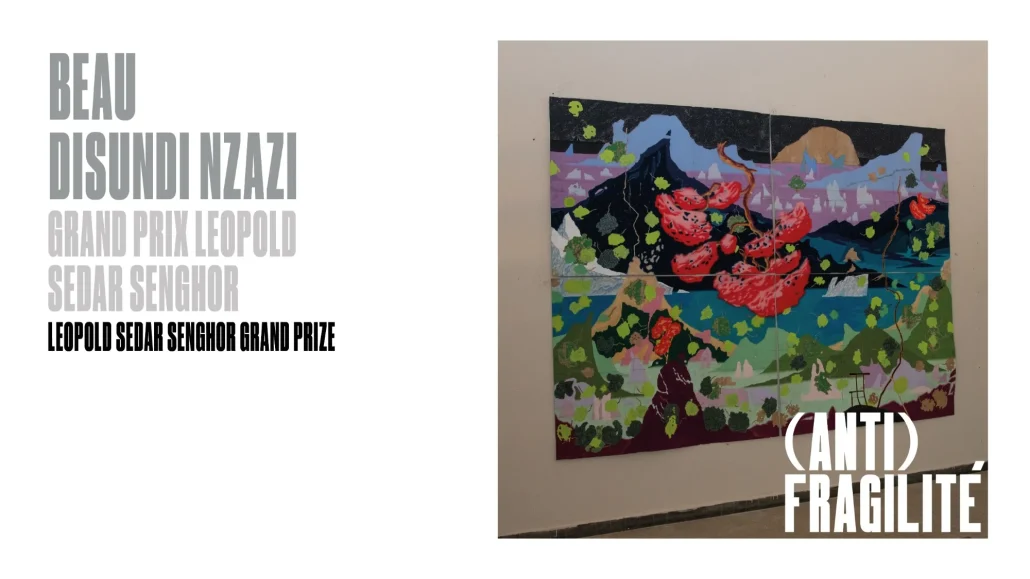
The International Jury of the 2026 Dakar Biennale has awarded Beau Disundi the Grand Prize of the Head of State, the "Léopold Sédar Senghor" Grand Prize. This premier distinction of the Dakar Biennale of Contemporary African Art—which includes a trophy and a 20 million CFA franc endowment—honours the Congolese visual artist whose work examines the intersections between history, economics, the circulation of goods, and the cultural impacts of globalisation. In particular, he explores cod as a symbolic object of trade exchanges, colonial legacies, and processes of acculturation.
© Biennale de Dakar
Revelation Prize of the Ministry of Culture, Crafts and Tourism
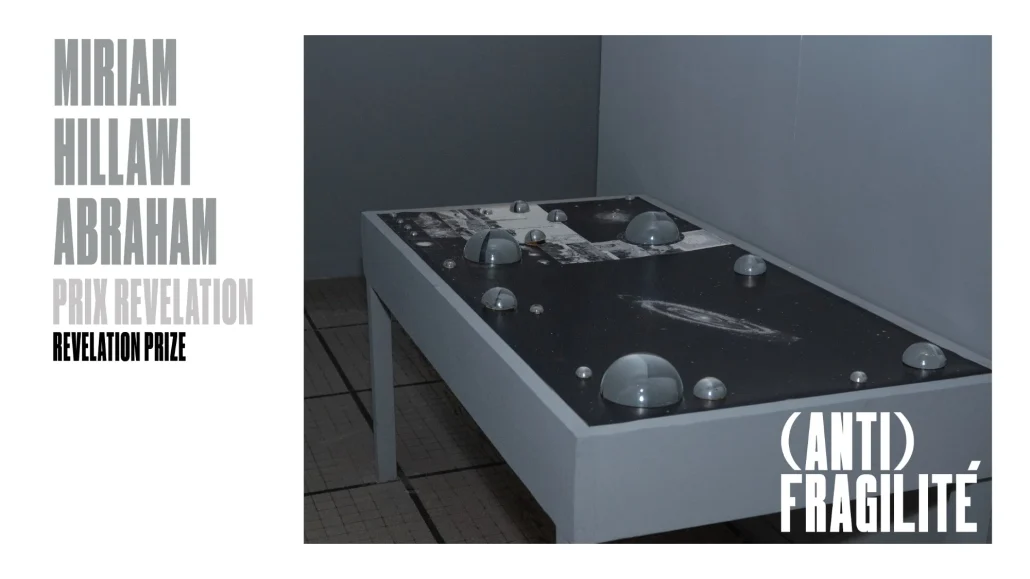
Ethiopian artist Miriam Hillawi Abraham has won the Revelation Prize of the Ministry of Culture, Crafts and Tourism, with a 10 million CFA francs cash prize. Abraham is a multidisciplinary designer from Addis Ababa, Ethiopia. Trained in architecture, she focuses her work on the experimental preservation and perpetuation of the African continent's tangible heritage and intangible knowledge. Her methodology leads her to take on the role of a weaver, interlacing threads that connect scattered worlds.
© Biennale de Dakar
WAEMU Prize
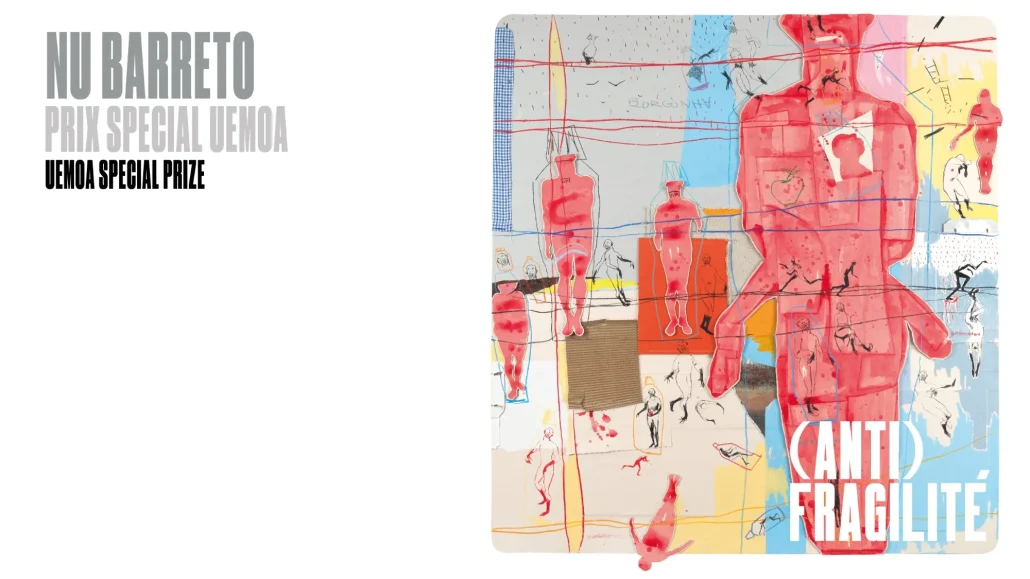
The WAEMU Prize, a cheque for 8 million CFA francs, went to the Guinea-Bissau artist Nú Barreto. Trained in photography, then a graduate of the Gobelins school of visual communication in Paris, he has developed a multidisciplinary and politically engaged practice spanning drawing, painting, collage, photography, video and installation. His visual language, often built around black, red, human silhouettes and graphic signs, addresses social violence, inequality, collective memory and political responsibility.
© Biennale de Dakar
ECOWAS Integration Prize
The ECOWAS Integration Prize was awarded to Vanessa Amoah Opoku and Joy Weinberger (Ghana/Germany). The duo also received 5 million CFA francs. Together, they have developed a collaborative practice at the crossroads of digital imagery, installation and textiles. They draw on Opoku's Ghanaian family history, combining 3D point-cloud scans, sound archives, family photographs, sculptural structures and weaving.
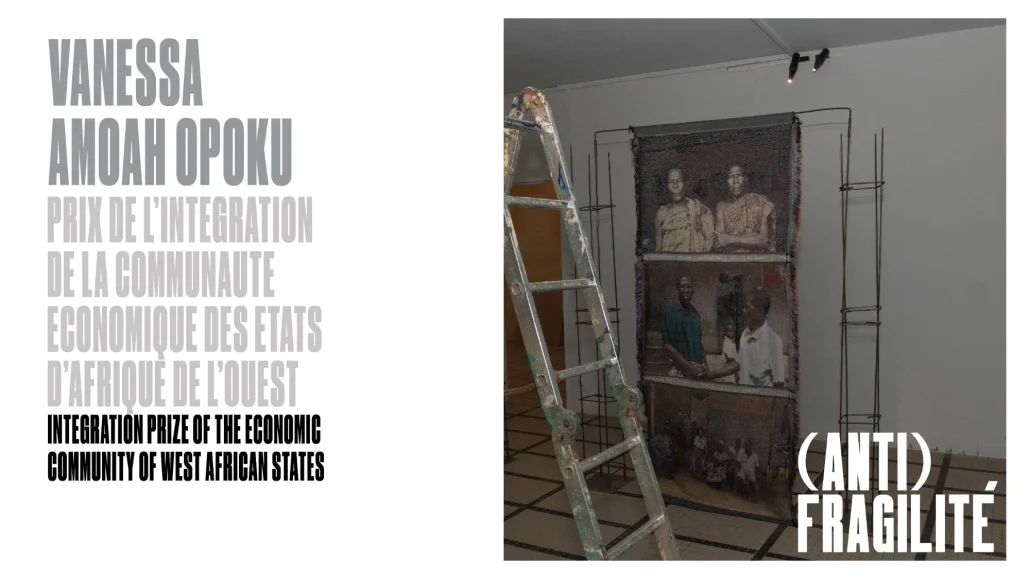
© Biennale de Dakar
Mayor of Dakar’s Prize
The Mayor of Dakar's Prize, with a 5 million CFA francs cheque, was posthumously awarded to the late artist Papisto Boy. Born Pape Mamadou Samb in 1951 and died in 2014, he embodies resilience and dedication in the service of an artistic vision. Self-taught, Papisto developed on the walls of Dakar a distinctive pictorial voice that combines remembrance with a contemporary chronicle, celebrating the important "missionaries" of our age: saints, musicians, politicians, intellectuals and legendary figures.
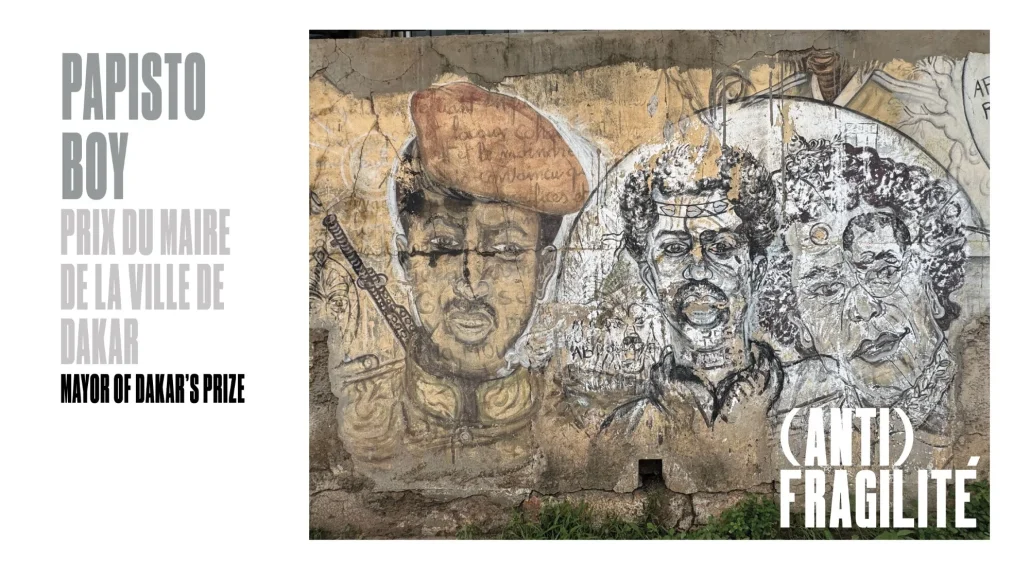
© Biennale de Dakar